
Short answer:
Manual keywording tanks your momentum. AI tools like ShotMeta run 100 photos through their system in the time you’d spend manually keywording 10. Upload your batch, let the AI spit out titles, descriptions, and 40+ keywords per image, then push everything straight to your agency account.
You’re already optimising workflows, so apply the same logic to stills—the time savings hit just as hard.

Why Manual Keywording Is Killing Your Output
At 5–8 minutes per image, keywording 100 photos eats your entire day. That’s not creative work. That’s data entry.
- You’re guessing at what buyers actually search for
- Your keyword lists turn repetitive and lazy by image 20
- You skip synonyms, related terms, and regional variations
- You upload less because the process drains you
The bottleneck isn’t your shooting. It’s your metadata. Fix that first.
Most photographers upload in small batches not because they lack content — but because keywording crushes momentum. And that’s fixable.

What AI Keywording Actually Does
Tools like ShotMeta read your photo and generate search-ready metadata automatically. No guessing. No copy-paste.
- Read the subject, setting, mood, colours, and context of your image
- Generate a descriptive title optimised for agency search
- Write a description that adds context keywords can’t carry
- Produce 40–50 keywords per image including synonyms and related terms
- Output formats ready for Getty, Shutterstock, Adobe Stock, and others
It doesn’t just tag objects. It understands concepts — “teamwork”, “wellness”, “urban loneliness” — the abstract terms buyers use when they’re chasing emotional or commercial relevance.
👉 Doing this for video too? Check How to keyword stock footage faster — the workflow is nearly identical.

How to Keyword 100 Photos Fast — The Actual Process
Here’s the workflow. Start to finish.
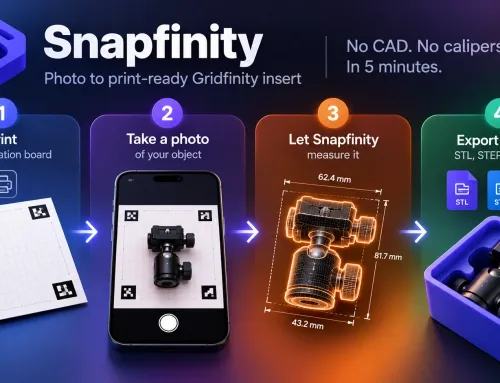
- Batch select your edited, export-ready images — don’t waste time keywording shots you’ll reject
- Give context to ShotMeta in one go — it processes multiple images at once
- AutoExport the metadata in whatever format your agency wants (CSV for video, IPTC/XMP direct integration for images)
- Upload to your agency with metadata already baked in or attached
Review, don’t rewrite. You’re doing quality control, not data entry.
Most photographers report cutting 100-image batches down to under 10 minutes. Shoot regularly and you’ve reclaimed a full day every week.
👉 For the full breakdown on metadata automation, read How to Add Metadata to Stock Photos Automatically.
A Simple Recipe
- Select your edited, export-ready images in one batch
- Upload the batch to ShotMeta
- Let the AI generate titles, descriptions, and 40–50 keywords per image
- Do a quick review — flag misreads, add niche terms, check titles
- ShotMeta auto exports metadata in your agency’s required format (CSV or XMP)
- Upload to Getty, Shutterstock, or Adobe Stock with metadata attached
The Big Truth
The photographers earning serious money from stock aren’t better shooters — they’re faster at submitting.
That’s the whole game. Technical skill matters less than you’d think. Upload velocity compounds.
Here’s what separates the six-figure earners from the hobbyists: they’ve automated the submission pipeline. They shoot, cull, process, keyword, and upload the same day. Sometimes the same hour.
You’re competing against someone who uploaded 500 images last week while you’re still color-grading your best ten. They’ll have passive income from mediocre work long before you monetize your masterpiece.
The algorithm doesn’t wait for perfection. Stock site system rewards volume with intelligent distribution. More submissions = more visibility = more licensing opportunities. Your tenth-best image might outsell your tenth-best image by sheer exposure mathematics.
This doesn’t mean abandon craft. But it does mean you need a system that lets you shoot, process, and ship without bottlenecks. Batching is everything. A consistent workflow beats a sporadic one, even if your sporadic shots are technically superior.
The real money comes from building a catalog so large that mediocrity becomes irrelevant. Put 2,000 images out there and even if only 10% convert, you’re printing money. Put out 50 perfect images and you’re gambling on luck.
Start submitting before you think you’re ready.
Your keywording workflow is strangling your upload rate. Fix that first.
Here’s why: Getty Images’ search algorithm rewards specificity. Vague tags—”nature,” “beautiful,” “outdoor”—get buried under thousands of identical submissions. Your footage drowns. You keyword properly, and the algorithm surfaces your work to buyers actively searching for exactly what you shot.
Most creators treat keywording like a checkbox. They slap on five generic terms and move on. Don’t do that. Spend two minutes per clip thinking like a buyer. What problem does this footage solve? Who’s looking for it? What’s the specific scenario—not the broad category?
Your upload rate doesn’t matter if your keywords don’t work. You can dump 100 clips a week into Getty and see zero sales if they’re tagged wrong. One well-keyworded clip outperforms ten poorly tagged ones.
Your upload rate will climb naturally once buyers can actually find your work.